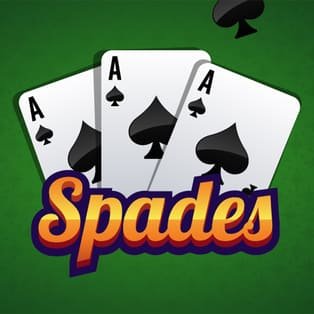
Spades
Spades is a classic trick-taking card game where smart bidding matters as much as the cards you play. Developed by MarketJS, this browser version pairs you with a computer partner and puts you into a four-player table where teamwork, timing, and probability decide the winner. Your goal is simple to say but tricky to master: […]
- Developer
- MarketJS
- Rating
- 4.0
- OS
- Web
- Category
- Card















Play Spades Online
Spades is a classic trick-taking card game where smart bidding matters as much as the cards you play. Developed by MarketJS, this browser version pairs you with a computer partner and puts you into a four-player table where teamwork, timing, and probability decide the winner. Your goal is simple to say but tricky to master: bid how many tricks (often called “books”) your team will take, then play the hand to hit that target as closely as possible.
Unlike many casual card games that reward only high cards, Spades rewards planning. You need to read the flow of the hand, manage your trump suit (spades), and coordinate with your partner by playing consistently and safely—without direct communication. If you enjoy games where decisions stack up over time, Spades delivers steady strategy with every deal.
How to play Spades in your browser
Each hand follows a rhythm: bidding, then trick-taking. Players take turns clockwise, playing one card per trick. The highest card of the leading suit wins the trick unless a spade (the trump suit) is played, in which case the highest spade wins.
- Step 1: Bid tricks — Before cards are played, each player bids how many tricks they expect to win. Your team’s total bid is the combined bid of you and your partner.
- Step 2: Follow suit — If you can play the suit that was led, you must. If you cannot, you may discard another suit or play a spade to trump.
- Step 3: Win (or avoid) tricks — You’re trying to match your bid as a partnership. Winning too few fails the contract; winning too many can create “extra” tricks that may become a long-term penalty depending on the rule set used in the game.
Controls: Use your mouse or trackpad to select the card you want to play.
What makes Spades a strategy card game
Spades looks like a simple card table game, but it’s built on a few deep mechanics. Understanding these ideas is the fastest way to improve.
Bidding is a commitment
Your bid is not just a guess—it’s a plan for how you will use your high cards, your spades, and your ability to control suits. Strong bids usually come from counting likely winners: high cards in long suits, multiple spades, and safe ways to avoid being forced into unwanted tricks.
Spades are trump
Spades can beat any non-spade card. Because trump cards are limited, spending them early can win a critical trick, but it can also leave you defenseless later. Good players treat spades like a resource and spend them at the right time.
Partnership play without talking
You and your partner sit opposite each other. Even without chat, you can “signal” through consistent play: protecting a long suit, not wasting high cards, and choosing when to trump. Over time, your card choices shape what your partner can safely do.
Information and probability
Every card played is information. Tracking which high cards are gone, how many spades have appeared, and which suits opponents are void in helps you predict what can happen next. Spades rewards players who pay attention to the table, not just their hand.
Practical tips & tricks to win more hands
- Bid conservatively with shaky hands — If your winners depend on opponents not holding specific cards, lower your bid. It’s easier to add one surprise trick than to recover from missing your contract.
- Count your likely winners — Aces are often reliable; kings and queens depend on whether higher cards are still out. Spades are reliable when you have enough to control late tricks.
- Don’t waste spades early — Trumping a low-value early trick can feel good, but it may cost you control later when opponents start leading suits you can’t follow.
- Watch for void suits — If an opponent can’t follow a suit, they may trump. That changes the value of leading that suit again and can help you decide when to draw out spades.
- Protect your partner’s contract — Sometimes the best play is avoiding a trick so your partner can reach their bid. Team scoring means “my trick” isn’t always “our best outcome.”
Platform details
This version of Spades runs directly in your web browser. You can play with a mouse or trackpad and complete hands at your own pace, making it a good fit for quick sessions or longer, more thoughtful games.
FAQ
What is a trick (or “book”) in Spades?
A trick is one round where each player plays one card. The highest card of the led suit wins unless a spade is played, then the highest spade wins. The winner of the trick leads the next one.
Why do I have to follow suit?
Following suit is a core rule in most trick-taking card games. If you have a card in the suit that was led, you must play it. This keeps the game strategic and prevents players from discarding freely.
How do spades work as trump?
Spades beat all other suits. If a spade is played on a trick where a non-spade suit was led, the trick is usually won by the highest spade played.
Is Spades luck-based or skill-based?
Cards are dealt randomly, but long-term success is strongly skill-based. Better bidding, tracking played cards, and choosing when to trump lead to more consistent wins.
Can I play Spades solo?
Yes. In this browser version, you play as one seat with computer-controlled partners and opponents, so you can enjoy the full four-player partnership experience on your own.